Examination of Immigration and Customs
Welcome to our deep dive into the realms of immigration and customs. These two processes play a pivotal role in shaping nations and societies. Here we’ll unfold what they encompass, how they differ, and where they intersect.
Immigration: What It’s All About
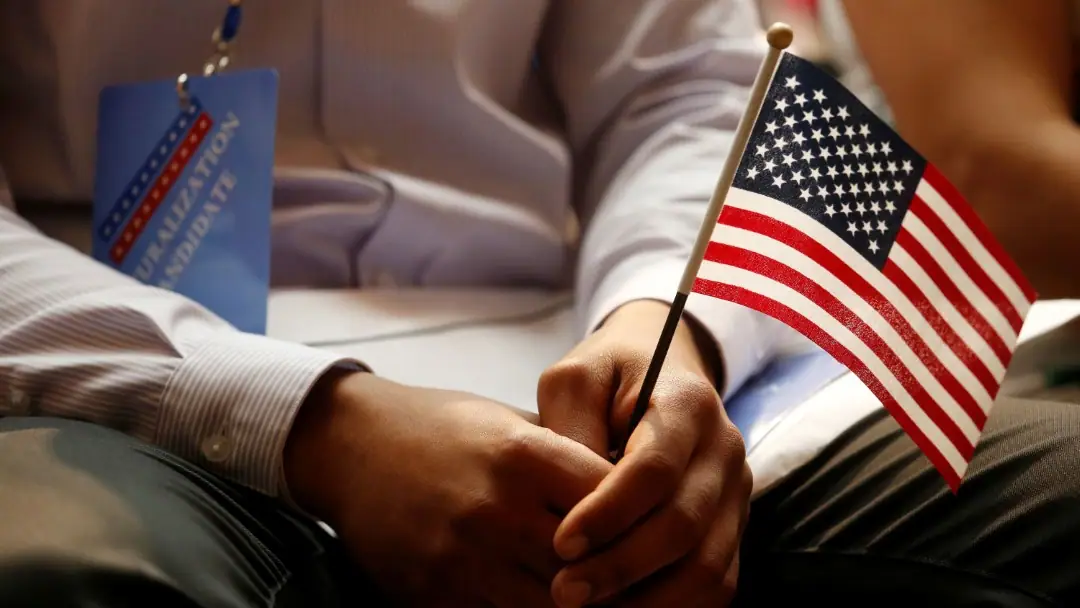
Immigration is the movement of people into a country with the intent to settle or reside there. It involves various legal procedures which can include visas, residence permits, and citizenship applications. People immigrate for many reasons such as employment opportunities, family reunification, or escaping conflict.
When we talk about immigration, it’s not just about crossing borders. It’s about the hopes and challenges that come with starting a new chapter in life. Immigrants bring their cultures, skills, and dreams to their new homes, contributing to the diversity and economy of the host country.
Customs: Beyond the Border
Customs is the authority or agency in a country responsible for collecting tariffs and controlling the flow of goods, including animals, transports items, personal effects, and hazardous items into and out of a country. Unlike immigration, customs handles the import and export of goods rather than people.
Customs officers check luggage and shipments to ensure that nothing illegal or harmful is being brought into the country. They are the gatekeepers who safeguard a country’s economic interests and protect its citizens from dangerous items.
Differences and Similarities
In this section, we’ll examine the distinctions and overlaps between immigration and customs, shedding light on their unique roles and shared goals.
Legal Aspects of Immigration and Customs
The law is clear-cut when it comes to immigration and customs. Immigration laws focus on the right of individuals to enter and stay in a country, defining who is eligible for entry, the length of their stay, and the conditions of residency. These laws are shaped by treaties, international law, and national legislation.
Customs law, on the other hand, regulates the import and export of goods. It sets out tariffs, duties, and restrictions on what can be brought in and taken out of a country. These laws help to control trade, prevent smuggling, and ensure safety and compliance with international standards.
While both domains operate at the border, immigration law tends to center on human rights and global mobility, whereas customs law deals with economic regulations and trade policies.
Cultural Impact and Integration
Immigration enriches the cultural tapestry of a nation. Migrants bring their traditions, languages, and perspectives, contributing to the cultural mosaic. However, the process of integration can be complex, involving social, economic, and political dimensions.
Customs can also influence culture, albeit indirectly. By regulating what goods enter a country, customs authorities can affect cultural consumption, such as access to foreign literature, art, or cuisine. This, in turn, can shape the nation’s tastes and cultural experiences.
Challenges Faced
Both immigration and customs face their share of challenges. These range from logistical issues to ethical considerations, each requiring careful management to strike a balance between competing interests.
Immigration: Adapting to a New Environment
Immigrants must navigate a new language, customs, and legal systems. The adjustment period is often challenging as they work to establish themselves economically and socially. Host societies also face challenges, including how to integrate newcomers while maintaining social cohesion.
Customs: Balancing Security and Hospitality
Customs officials must balance the need to secure a nation’s borders with the desire to facilitate trade and travel. They deal with issues like contraband, tax evasion, and biosecurity threats. Their role is vital in protecting a country’s interests without stifling the flow of legitimate goods and visitors.
Conclusion
In conclusion, while immigration and customs serve different functions, they are interlinked processes essential to the functioning of modern states. Understanding their nuances helps us appreciate the complexities of a globalized world and the importance of managing borders with fairness and efficiency.
Embracing Diversity: Navigating Immigration and Customs
We live in a world where the movement of people and goods is integral to our way of life. By embracing diversity and ensuring the smooth operation of immigration and customs, we foster a moreinclusive and interconnected global community.
Immigration allows for the exchange of ideas, skills, and perspectives, leading to cultural enrichment and economic growth. By welcoming immigrants and promoting integration, societies can benefit from the contributions of diverse individuals, fostering creativity and innovation.
At the same time, customs regulations ensure the safety, security, and economic stability of a nation. By controlling the import and export of goods, customs authorities can protect industries, prevent illegal activities, and maintain public health and safety standards.
However, both immigration and customs face challenges in striking the right balance. Immigration policies must address concerns about national security, economic competition, and social cohesion. Customs officials must manage the flow of goods while addressing issues such as smuggling, tax evasion, and the protection of intellectual property rights.
To navigate these challenges, governments need to develop comprehensive immigration and customs systems that prioritize fairness, efficiency, and respect for human rights. This includes providing support and resources for immigrants to integrate successfully into their new communities and implementing effective customs procedures that facilitate trade while maintaining security.
By embracing diversity and effectively managing immigration and customs processes, countries can harness the benefits of globalization while addressing the challenges that come with it. This requires collaboration, understanding, and a commitment to creating a more inclusive and interconnected world.

- Eco-Friendly Impact: Why Every Sustainable Brand Needs a Totally Branded Cotton Tote Bag - March 14, 2026
- From West End Tenements to Modern New-Builds: How Sleek Aluminium Frames are Redefining Glasgow’s Skyline - March 6, 2026
- The Ultimate Guide to Craft Beer Hampers: Exploring the UK’s Finest Artisanal Brews - March 6, 2026