
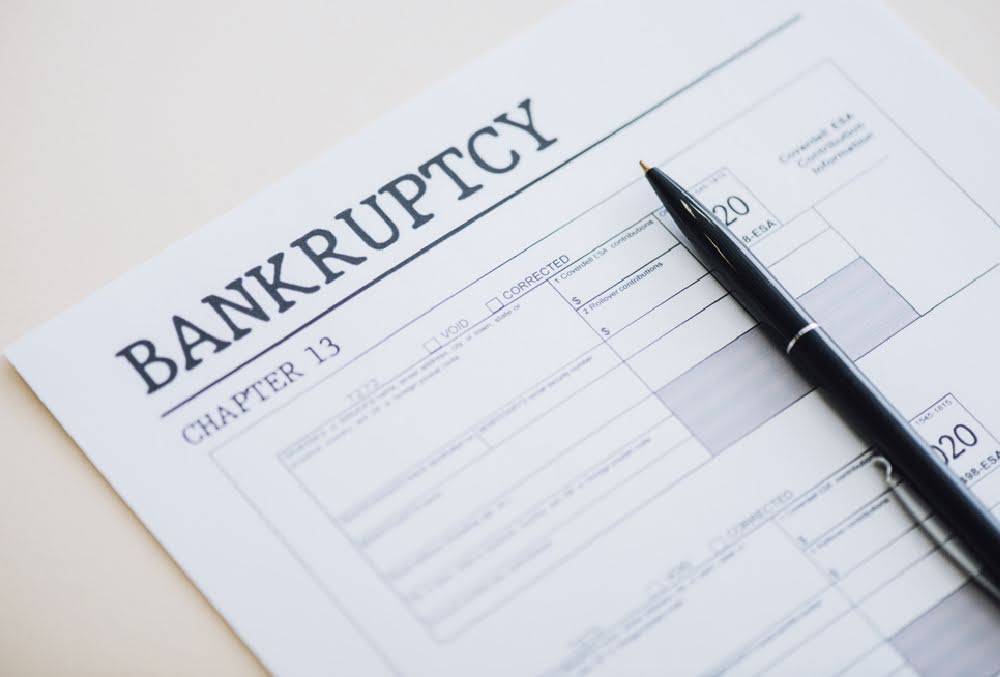
How to Go Bankruptcy
Bankruptcy is a difficult process that many individuals and businesses face when they are unable to repay their debt. It can be a complex and overwhelming experience, but understanding the basics of bankruptcy and preparing for the process can help make it more manageable. This article will guide you through the steps of going through bankruptcy and provide alternatives to consider. So, let’s dive into the world of bankruptcy and explore how you can navigate through it.
Understanding Bankruptcy
What is Bankruptcy?
Bankruptcy is a legal process that helps individuals or businesses eliminate or repay their debt when they are unable to meet their financial obligations. It is a way to provide individuals and businesses with a fresh start by wiping out certain debts or developing a repayment plan that suits their financial situation.
Types of Bankruptcy
Bankruptcy comes in different forms, each with its own eligibility criteria and purposes. The most common types of bankruptcy are Chapter 7, Chapter 13, and Chapter 11.
Chapter 7 Bankruptcy
Chapter 7 bankruptcy, also known as “liquidation bankruptcy,” is designed for individuals or businesses with limited income and significant debt. In this type of bankruptcy, a trustee is appointed to sell nonexempt property and distribute the proceeds to creditors. However, certain assets may be exempt from liquidation, allowing individuals to retain their basic necessities.
Chapter 13 Bankruptcy
Chapter 13 bankruptcy, often referred to as “reorganization bankruptcy,” is suitable for individuals with a regular income who want to repay their debts over a set period, usually three to five years. In this type of bankruptcy, individuals propose a repayment plan to the court, and they make monthly payments to a trustee who distributes the funds to creditors according to the plan.
Chapter 11 Bankruptcy
Chapter 11 bankruptcy is predominantly used by businesses, allowing them to reorganize and continue operations while repaying their debts. It is a complex and expensive process typically utilized by larger companies that aim to restructure and regain financial stability. Chapter 11 bankruptcy is not commonly used by individuals.
Preparing for Bankruptcy
Gathering Financial Documents
Before filing for bankruptcy, you need to gather all relevant financial documents, including bank statements, tax returns, loan agreements, and other records of your income, assets, and debts. These documents will be crucial during the bankruptcy process.
Assessing Your Debt
It’s essential to have a clear understanding of your total debt before deciding to file for bankruptcy. Assess the nature, amount, and extent of your debt, including secured debts (collateral-backed loans) and unsecured debts (credit card debts, medical bills, etc.). This evaluation will help determine the most suitable type of bankruptcy for your situation.
Filing for Bankruptcy
Hiring a Bankruptcy Attorney
While not required, hiring a bankruptcy attorney can immensely simplify the bankruptcy process and provide valuable guidance. A bankruptcy attorney will help you understand the legal procedures, protect your rights, and ensure accurate completion of the necessary paperwork.
Completing Credit Counseling Course
Prior to filing for bankruptcy, individuals are required to complete a credit counseling course with an approved agency. This course aims to educate individuals about the alternatives to bankruptcy and help them assess their financial situation. It is a mandatory step in the bankruptcy process.
Filling Out Bankruptcy Forms
Bankruptcy forms consist of detailed financial information and declarations about your income, assets, debts, expenses, and recent financial transactions. These forms need to be completed accurately and honestly to avoid any legal consequences or complications during your bankruptcy case.
Filing Bankruptcy Forms in Court
Once you have completed the necessary bankruptcy forms, they need to be filed with the bankruptcy court. This triggers the official start of your bankruptcy case, and from this point on, certain legal protections will be in effect, including an automatic stay that halts collection actions from creditors.
Meeting with Creditors
During bankruptcy proceedings, a meeting of creditors, also known as a 341 meeting, is held. In this meeting, you will meet with the bankruptcy trustee and any creditors who choose to attend. They may ask you questions about your financial situation and the bankruptcy filing.
Going Through the Bankruptcy Process
Handling Nonexempt Property
In Chapter 7 bankruptcy, nonexempt property may be sold by the trustee to repay creditors. It is essential to understand which assets are exempt from liquidation, as you may be able to keep your home, car, necessary furniture, and personal belongings.
Continuing Payment on Secured Debts
Secured debts, such as mortgages or car loans, require special attention during bankruptcy. If you wish to keep your secured assets, you will need to continue making payments to the creditors as agreed in the loan agreements.
Completing Debtor Education Course
After filing for bankruptcy but before receiving a discharge, individuals are required to complete a debtor education course. This course aims to provide individuals with financial management skills and knowledge to help prevent future financial challenges.
Awaiting Eligibility Determination
After completing the required steps, the bankruptcy court will determine if you are eligible for bankruptcy under the relevant chapter. This determination is based on various factors, including your income, debt levels, and ability to repay creditors.
Waiting for Discharge
If you meet all the requirements and complete the bankruptcy process successfully, you will receive a discharge, eliminating your eligible debts. The discharge is a legal order that prohibits creditors from attempting to collect the discharged debts.
Considering Alternatives to Bankruptcy
Debt Relief Options
Bankruptcy should only be considered as a last resort. There are alternative debt relief options available, such as debt consolidation, debt settlement, or working with credit counseling organizations. These options may provide a more manageable path to resolving your debts without filing for bankruptcy.
Working with Financial Coaches
Financial coaches or advisors can help you develop a budget, establish better financial habits, and create an effective debt repayment plan. They can provide personalized guidance tailored to your financial situation, allowing you to regain control of your finances without resorting to bankruptcy.
Conclusion
Bankruptcy is a complex process that requires careful consideration and preparation. Understanding the different types of bankruptcy, gathering the necessary documents, and following the correct procedures are crucial to a successful bankruptcy case. However, bankruptcy should be considered as a last resort, and exploring alternative debt relief options or working with financial coaches may provide a less drastic solution to your financial difficulties. Remember, going through bankruptcy is not an easy journey, but with the right knowledge and support, you can regain financial stability and work towards a fresh start.
Sources
- American Bankruptcy Institute
- Federal bankruptcy code and regulations
- Local bankruptcy courts
- Bankruptcy attorneys
- Financial coaches and advisors
Q: What is bankruptcy?
A: Bankruptcy is a legal process designed to help individuals or businesses who are unable to pay their debts. It allows them to eliminate or repay their debts under the protection of the bankruptcy court.
Q: What are the types of bankruptcy?
A: The two most common types of bankruptcy for individuals are Chapter 7 and Chapter 13. Chapter 7 bankruptcy involves liquidating assets to pay off debts, while Chapter 13 bankruptcy involves creating a repayment plan to pay off debts over a specified period of time.
Q: How do I file for bankruptcy?
A: To file for bankruptcy, you will need to submit a bankruptcy petition along with various supporting documents to the bankruptcy court. It is recommended to seek the assistance of a bankruptcy lawyer to navigate the process.
Q: What is the difference between Chapter 7 and Chapter 13 bankruptcy?
A: Chapter 7 bankruptcy involves liquidating assets to pay off debts, while Chapter 13 bankruptcy involves creating a repayment plan to pay off debts over a specified period of time.
Q: How long does bankruptcy stay on your credit report?
A: Bankruptcy can stay on your credit report for up to 10 years, depending on the type of bankruptcy filed.
Q: Can bankruptcy help with my student loan debt?
A: In most cases, student loan debt cannot be discharged through bankruptcy. However, filing for bankruptcy may help alleviate other debts, which could free up resources to assist with student loan payments.
Q: Do I need a lawyer to file for bankruptcy?
A: While it is possible to file for bankruptcy without a lawyer (known as filing pro se), it is highly recommended to seek the assistance of a bankruptcy lawyer. They can guide you through the process and ensure your rights are protected.
Q: How much does it cost to file for bankruptcy?
A: There is a filing fee associated with bankruptcy. The amount varies depending on the type of bankruptcy being filed. It is recommended to consult with a bankruptcy lawyer to get an accurate estimate of the total cost.
Q: What happens after I file for bankruptcy?
A: After you file for bankruptcy, an automatic stay is put into effect, which halts most collection actions by creditors. The court will then review your case, and if approved, a bankruptcy discharge will be issued, relieving you from the legal obligation to repay certain debts.
Q: Is bankruptcy the right option for me?
A: Bankruptcy is a big decision and should be carefully considered. It is important to assess your financial situation, explore alternative options, and consult with a bankruptcy lawyer to determine if bankruptcy is the best course of action for you.

- Eco-Friendly Impact: Why Every Sustainable Brand Needs a Totally Branded Cotton Tote Bag - March 14, 2026
- From West End Tenements to Modern New-Builds: How Sleek Aluminium Frames are Redefining Glasgow’s Skyline - March 6, 2026
- The Ultimate Guide to Craft Beer Hampers: Exploring the UK’s Finest Artisanal Brews - March 6, 2026


