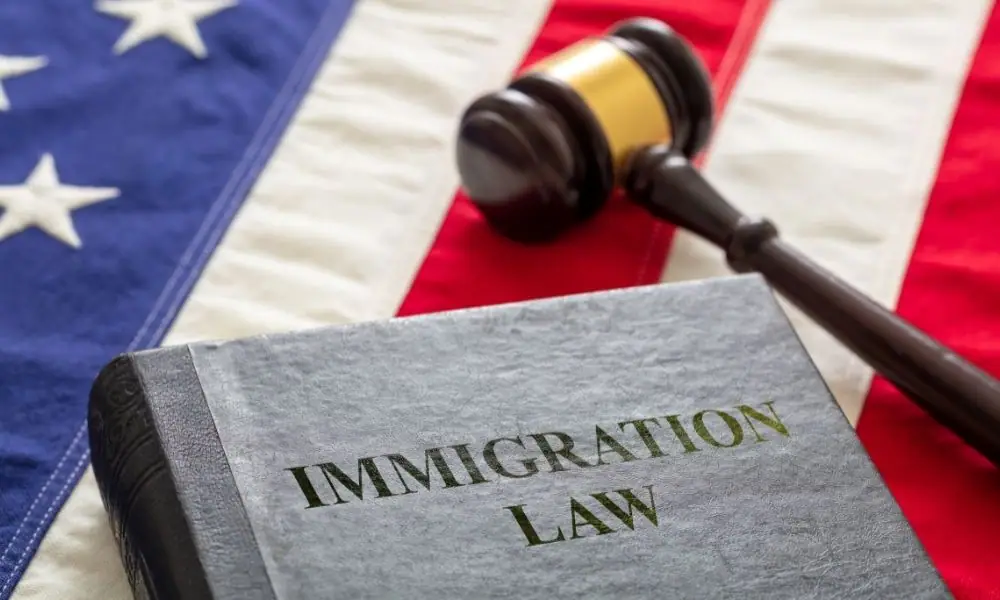
Immigration Law vs. Immigration Policy Explained
Immigration is a complex issue that involves both legal and policy considerations. While immigration law and immigration policy are often used interchangeably, they actually refer to different aspects of the immigration system. In this article, we will explore the differences between immigration law and immigration policy, and how they shape the way countries manage immigration.
What is Immigration Law?
Immigration law refers to the set of rules and regulations that govern the entry, stay, and exit of foreign nationals in a particular country. It sets out the legal framework for immigration and establishes the rights and obligations of immigrants and the responsibilities of immigration authorities.
Definition and Scope of Immigration Law
Immigration law encompasses a wide range of statutes, regulations, and court decisions that determine who can enter a country, under what conditions, and for how long. It covers issues such as visas, residency permits, citizenship, deportation, and asylum.
Key Objectives of Immigration Law
The primary objectives of immigration law are to regulate population movement, protect national security, manage labor markets, and maintain social cohesion. It aims to balance the economic, social, and political interests of both the sending and receiving countries, while also safeguarding the rights of migrants.
Important Immigration Law Principles
Immigration law is guided by several key principles, including non-discrimination, due process, family reunification, and humanitarian considerations. These principles ensure that immigration decisions are fair, transparent, and in line with international human rights standards.
What is Immigration Policy?
Immigration policy, on the other hand, refers to the overall strategy and objectives that a country adopts to manage immigration. It is the result of political, economic, and social considerations, and shapes the specific laws, regulations, and programs that govern immigration.
Defining Immigration Policy
Immigration policy defines the goals, priorities, and values that a government assigns to its immigration system. It determines who can enter the country, the criteria for selecting immigrants, the conditions for their integration, and the strategies for enforcing immigration laws.
Main Factors Influencing Immigration Policy
Immigration policy is influenced by a variety of factors, including the country’s economic needs, labor market demands, cultural values, security concerns, and demographic trends. It is often shaped by public opinion, political ideology, and international relations.
Types of Immigration Policies
There are different types of immigration policies, ranging from open-door policies that encourage immigration and embrace diversity, to restrictive policies that prioritize national interests and limit the number of immigrants. Some countries also have specific policies for different categories of immigrants, such as skilled workers, refugees, and family members.
How Immigration Laws are Enforced?
Enforcing immigration laws is a crucial aspect of maintaining the integrity of the immigration system. It involves the actions of immigration enforcement agencies, the processes of detention and removal, and the penalties for violating immigration laws.
Evaluating Immigration Enforcement Agencies
Immigration enforcement agencies, such as border control agencies and immigration police, are responsible for implementing and enforcing immigration laws. They monitor the entry and exit of individuals, conduct immigration inspections, and apprehend individuals who are in violation of immigration laws.
Immigration Detention and Removal Processes
When individuals are found to be in violation of immigration laws, they may be subject to immigration detention and removal. Immigration detention involves the temporary confinement of individuals while their immigration status is determined or pending deportation. Removal, also known as deportation, refers to the process of expelling individuals from a country due to immigration violations.
Penalties and Consequences for Violating Immigration Laws
Violating immigration laws can have serious consequences, including fines, imprisonment, and even deportation. The specific penalties vary depending on the nature and severity of the violation. Immigration authorities have the power to investigate, arrest, and prosecute individuals who are suspected of violating immigration laws.
How Immigration Policies are Formulated?
Formulating immigration policies involves a complex and often contentious process of decision-making. It requires the cooperation and coordination of various stakeholders, including government agencies, lawmakers, interest groups, and the public.
Legislative Process and Immigration Policy Making
In many countries, immigration policies are formulated through the legislative process. Lawmakers propose, debate, and pass immigration laws that reflect the priorities and interests of the governing party or coalition. This process often involves compromises and negotiations to balance competing concerns.
Role of Government Agencies in Immigration Policy Making
Government agencies, such as immigration departments and ministries, play a crucial role in shaping immigration policies. They provide expertise, advice, and recommendations to policymakers based on their knowledge of immigration trends, economic needs, and social impacts. These agencies are responsible for implementing and managing immigration programs and initiatives.
Public Opinion and Immigration Policy Development
Public opinion can also influence the development of immigration policies. Governments often take into account the views and concerns of the public when formulating immigration policies. Public debates, media coverage, and grassroots movements can shape the narrative and public discourse around immigration, influencing the direction and content of immigration policies.
Key Differences between Immigration Law and Immigration Policy
While immigration law and immigration policy are closely intertwined, there are key differences that distinguish them from each other.
Legal vs. Non-Legal Framework
Immigration law operates within a legal framework and consists of binding rules that individuals must comply with. In contrast, immigration policy provides a non-legal framework that guides the overall direction and approach to immigration management.
Enforcement vs. Formulation and Implementation
Immigration law primarily focuses on the enforcement and implementation of specific rules and regulations. Immigration policy, on the other hand, is concerned with the broader formulation and implementation of the objectives and strategies that govern immigration.
Binding Authority vs. Governmental Guidance
Immigration law has binding authority and can be enforced through legal sanctions. Immigration policy, while influential, does not have the same binding authority and often provides guidance or recommendations for immigration management.
Conclusion
In conclusion, immigration law and immigration policy are both integral parts of the immigration system, but they serve distinct purposes. Immigration law sets out the legal framework for managing immigration, while immigration policy defines the goals, priorities, and values that guide immigration management. Understanding the differences between immigration law and immigration policy is essential for comprehending the complexities of immigration systems across the world.

- Eco-Friendly Impact: Why Every Sustainable Brand Needs a Totally Branded Cotton Tote Bag - March 14, 2026
- From West End Tenements to Modern New-Builds: How Sleek Aluminium Frames are Redefining Glasgow’s Skyline - March 6, 2026
- The Ultimate Guide to Craft Beer Hampers: Exploring the UK’s Finest Artisanal Brews - March 6, 2026