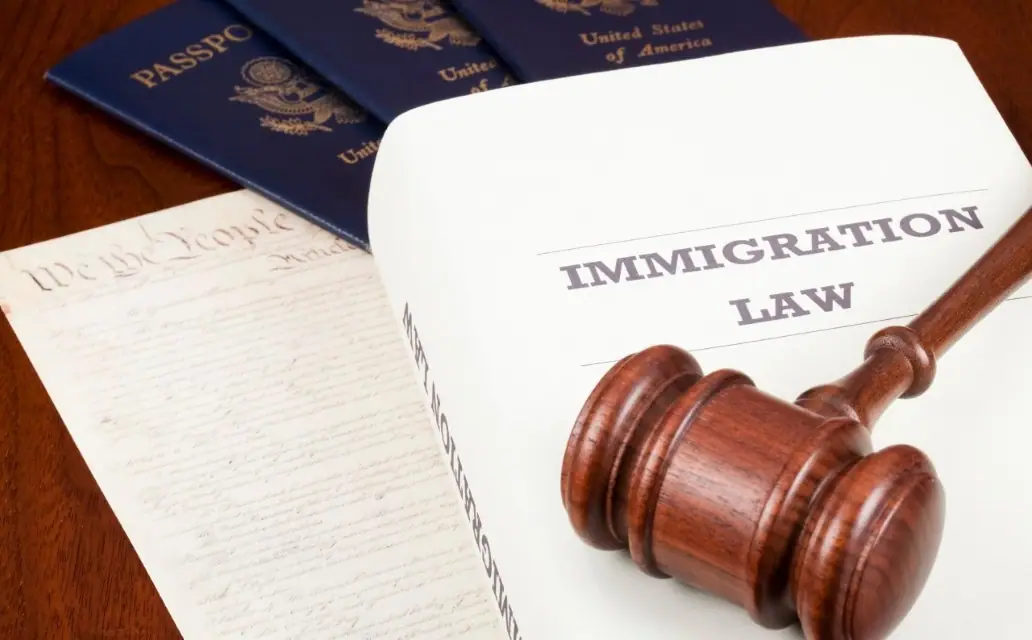
Immigration Law vs. Federal Authority
In the United States, the intersection of immigration law and federal authority is a complex and often contentious issue. Understanding the differences between these two areas of law is crucial for both immigrants and the government. By delving into the intricacies of immigration law and federal authority, we can gain insights into how they coexist, the challenges they present, and the impact they have on individuals seeking to migrate to the United States.
Immigration Law: What You Need to Know
Immigration law encompasses the regulations and policies that govern the entry and status of foreign individuals in a country. In the United States, immigration law is primarily governed by the Immigration and Nationality Act (INA). This legislation outlines the criteria for admission, the various visa categories, and the processes for obtaining legal status.
Under immigration law, individuals are categorized as either immigrants or non-immigrants. Immigrants are those seeking to permanently reside in the United States, while non-immigrants are individuals coming temporarily for specific purposes, such as tourism, work, or education.
The key principles of immigration law include national security, family reunification, employment-based categories, humanitarian relief, and diversity. These principles guide decision-making and determine the eligibility criteria for different types of visas.
Federal Authority: Who Holds the Power?
Federal authority refers to the power granted to the central government under the United States Constitution. The federal government holds the authority to establish and enforce laws and regulations that apply to the entire nation. This authority is rooted in the Supremacy Clause, which ensures that federal laws take precedence over conflicting state laws.
The federal government exercises its authority through three branches – the executive, legislative, and judicial. Each branch plays a distinct role in the development, implementation, and interpretation of laws. For immigration matters, the executive branch, particularly the Department of Homeland Security (DHS), the United States Citizenship and Immigration Services (USCIS), and the Immigration and Customs Enforcement (ICE), has a significant role in enforcing immigration laws and regulations.
However, federal authority is not without limitations. The concept of federalism ensures that certain powers are reserved for the states. This means that state governments also have the ability to enact and enforce laws, including those related to immigration, as long as they do not conflict with federal laws.
The Relationship between Immigration Law and Federal Authority
The relationship between immigration law and federal authority is intricate and often subject to legal interpretation and debate. While immigration law falls under federal jurisdiction, states also have a role in shaping immigration policies and practices within their borders.
When it comes to decision-making in immigration matters, the ultimate say typically lies at the federal level. Federal agencies, such as USCIS and ICE, are responsible for reviewing visa applications, conducting background checks, enforcing immigration laws, and making decisions on matters such as deportation and naturalization.
However, state governments have the ability to influence immigration enforcement within their jurisdictions. Some states have enacted laws to provide additional protections for undocumented immigrants or restrict cooperation with federal immigration authorities. These conflicting state and federal laws have led to legal battles and challenges in implementing coherent immigration policies.
Conflicts and Challenges in Applying Immigration Law
The conflicts and challenges surrounding immigration law and federal authority are numerous and multifaceted. One common conflict arises when state and federal immigration laws clash, creating confusion and inconsistency in enforcement. This can result in disparities in how immigration cases are handled depending on the jurisdiction.
When state and federal laws conflict, questions of preemption arise. Preemption refers to the legal principle that federal law takes precedence over conflicting state laws. However, some argue that certain state laws are within the realm of legitimate state authority and do not interfere with federal jurisdiction. These disputes often find their way into the courts, where the interpretation of federalism and the balance of power between the federal and state governments is scrutinized.
The challenges in applying immigration law also extend to balancing the enforcement of immigration laws with respect for civil rights and due process. Immigration cases often involve complex legal issues, and the rights of individuals are at stake. Striking the right balance between upholding the rule of law and protecting the rights of immigrants is a delicate task.
The Impact of Immigration Law and Federal Authority on Immigrants
Immigration law and federal authority have a profound impact on individuals seeking to migrate to the United States. The complex and evolving nature of immigration policies can make navigation through the system challenging for immigrants.
For those seeking to migrate, understanding and complying with immigration laws is essential. Failure to do so may result in visa denials, deportation, or inadmissibility to the United States. Immigration violations can have long-lasting consequences, including restrictions on future immigration benefits and potential bars on reentry.
However, federal authority also provides certain protections for immigrants. Asylum laws, for example, allow individuals fleeing persecution in their home countries to seek refuge in the United States. The federal government also oversees programs such as Deferred Action for Childhood Arrivals (DACA), which provides temporary relief from deportation for certain undocumented individuals who arrived in the United States as children.
It is important to note that the impact of immigration law and federal authority goes beyond legal considerations. Immigration policies can shape public opinion, affect social dynamics, and impact economic factors, such as labor markets and job opportunities.
In conclusion, understanding the differences between immigration law and federal authority is crucial in comprehending the complexities of the U.S. immigration system. While immigration law governs the entry and status of foreign individuals, federal authority holds the power to establish and enforce laws at a national level. The relationship between these two areas of law involves conflicts and challenges, which require careful consideration to strike a balance between national security, civil rights, and the needs of immigrants. By understanding the impact of immigration law and federal authority, we can work towards a system that effectively addresses the needs of both immigrants and the United States as a whole.

- Eco-Friendly Impact: Why Every Sustainable Brand Needs a Totally Branded Cotton Tote Bag - March 14, 2026
- From West End Tenements to Modern New-Builds: How Sleek Aluminium Frames are Redefining Glasgow’s Skyline - March 6, 2026
- The Ultimate Guide to Craft Beer Hampers: Exploring the UK’s Finest Artisanal Brews - March 6, 2026