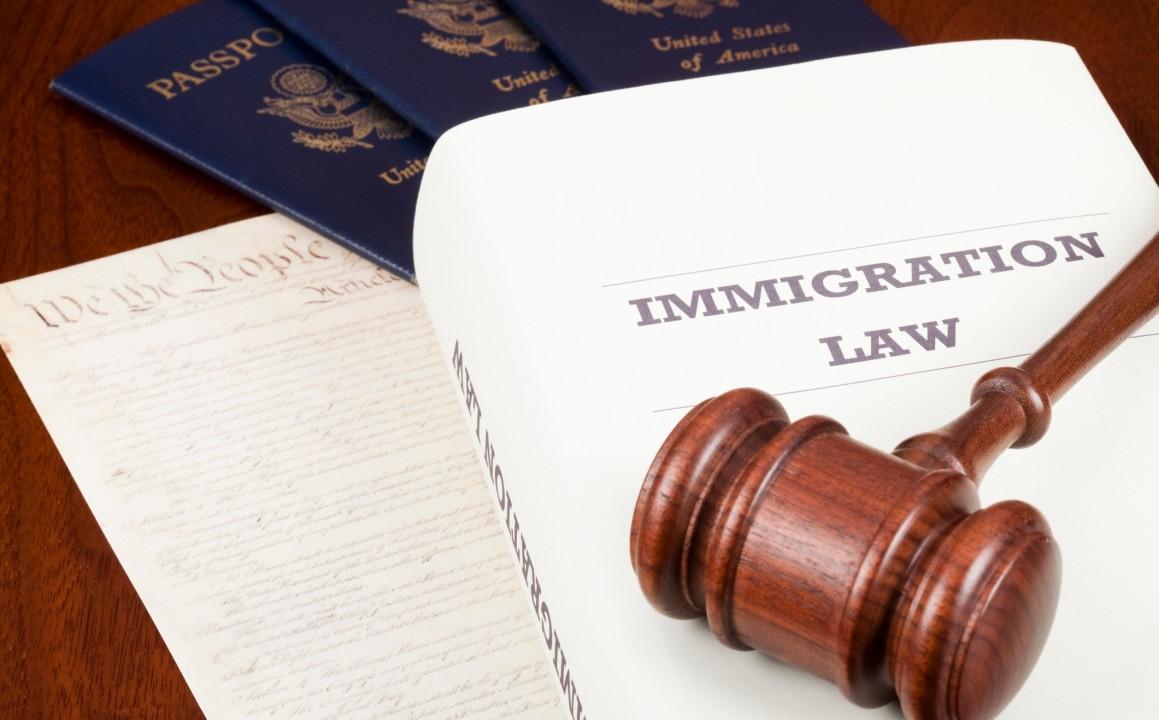
What Does Immigration Law Mean
Immigration law is a complex and ever-changing subject that governs the movement of people across national borders. It encompasses a wide range of rules and regulations that determine who can enter a country, how long they can stay, and under what conditions. Immigration law also includes provisions regarding naturalization and citizenship, as well as the enforcement of immigration policies. Its purpose is to maintain control over immigration flows, protect national security, and regulate the entry and stay of foreign nationals within a country. As immigration becomes an increasingly pressing issue globally, understanding the implications and intricacies of immigration law is crucial for individuals, policymakers, and society as a whole.
Understanding Immigration Law
Immigration law refers to the set of rules and regulations that govern the movement of people from one country to another. It encompasses various aspects such as visas, citizenship, immigration status, and the rights and responsibilities of immigrants in the receiving country. Immigration law is of utmost importance as it plays a crucial role in defining the rights of individuals and ensuring the orderly and lawful movement of people across international borders.
What is Immigration Law?
Definition of Immigration Law
Immigration law can be defined as the body of law that governs the entry, stay, and exit of foreign nationals from a country. It determines the criteria for admission, such as the type of visa required, the conditions for naturalization, and the rights and obligations of immigrants.
Importance of Immigration Law
Immigration law is crucial for maintaining the sovereignty and security of a country. It helps regulate the flow of people across borders, ensuring that individuals enter and stay in the country legally. Additionally, immigration law protects the rights of immigrants and prevents exploitation by employers or individuals.
History of Immigration Law
The history of immigration law can be traced back to ancient times when empires established rules for the movement of people within their territories. In the United States, immigration law has evolved over centuries, reflecting the changing needs and societal contexts of the country. The Immigration and Nationality Act (INA), enacted in 1952, serves as the foundation of modern US immigration law.
How Does the Immigration Process Work?
Steps to Obtain a Visa
The immigration process involves several steps to obtain a visa, which grants permission to enter and stay in a foreign country. These steps include determining the appropriate visa category, submitting the required documents, attending an interview, and paying the necessary fees.
Roles of Immigration Lawyers
Immigration lawyers play a crucial role in assisting individuals with navigating the complex immigration process. They provide legal advice, assist with visa applications, represent clients in immigration court, and ensure compliance with immigration laws and regulations.
Understanding Immigrant Visas
Immigrant visas are issued to individuals who intend to live and work permanently in a foreign country. These visas are typically granted based on family reunification, employment offers, or refugee or asylum status. Immigrant visas often lead to permanent resident status and, ultimately, citizenship through naturalization.
What Are the Different Types of Visas?
Nonimmigrant Visas
Nonimmigrant visas are temporary visas that allow individuals to visit or work in a foreign country for a specific period. Examples of nonimmigrant visas include tourist visas, student visas, and temporary work visas.
Immigrant Visas
Immigrant visas are intended for individuals who wish to become permanent residents of a foreign country. These visas are granted based on various factors, such as family ties, employment offers, or refugee status.
Visa Waiver Program
The Visa Waiver Program allows citizens of certain countries to travel to the United States for tourism or business purposes without a visa. However, they must meet specific criteria and obtain approval through the Electronic System for Travel Authorization (ESTA) before traveling.
What is the Role of Immigration Policy?
Overview of Immigration Policy
Immigration policy refers to the guidelines and regulations set by a country to govern the entry, stay, and rights of immigrants. It aims to balance the economic, social, and security interests of the country while ensuring fairness and respect for human rights.
Impact of Immigration Policies
Immigration policies have significant impacts on various aspects of society, including the economy, labor market, social cohesion, and cultural diversity. Well-designed immigration policies can bring economic benefits, fill labor gaps, and enrich the cultural fabric of a country.
Recent Immigration Policy Changes
Immigration policies often evolve to reflect changing societal needs and priorities. Recent immigration policy changes have focused on issues such as border security, refugee resettlement, family reunification, and skilled immigration.
What Happens in Deportation Proceedings?
Understanding Deportation
Deportation refers to the formal removal of a foreign national from a country due to a violation of immigration laws. It is a legal process that involves hearings and court proceedings to determine an individual’s immigration status and eligibility to remain in the country.
Rights of Individuals Facing Deportation
Individuals facing deportation have certain rights, including the right to legal representation, the right to present evidence and testimony in their defense, and the right to appeal decisions. It is important for individuals to understand their rights and seek assistance from experienced immigration lawyers.
Defense Against Deportation
There are various defense strategies that individuals facing deportation can pursue, such as seeking asylum, challenging the legality of the removal proceedings, or applying for cancellation of removal. An experienced immigration lawyer can provide guidance and representation in deportation cases.
Conclusion
Importance of Immigration Law for Individuals and Countries
Immigration law plays a critical role in shaping the movement of people across borders, ensuring the rights and safety of immigrants, and promoting the economic and social development of countries. Understanding immigration law and its various aspects is essential for both individuals seeking to navigate the immigration process and societies aiming to create inclusive and effective immigration policies.

- Eco-Friendly Impact: Why Every Sustainable Brand Needs a Totally Branded Cotton Tote Bag - March 14, 2026
- From West End Tenements to Modern New-Builds: How Sleek Aluminium Frames are Redefining Glasgow’s Skyline - March 6, 2026
- The Ultimate Guide to Craft Beer Hampers: Exploring the UK’s Finest Artisanal Brews - March 6, 2026